12 Standout Books: My 2025 Top-Rated Reading List
Last year, I read 47 books. Between various commitments, it was an incredibly hectic year, so I didn’t quite hit the 100-book milestone I reached in 2024. Still, I managed to discover some truly remarkable works. My reading spanned across writing, art, psychology, social sciences, finance, and personal growth—many of which have stayed with me long after I closed the covers. To keep this list concise, I’ve narrowed it down to 12 titles that earned a solid four or five-star rating.

The reviews below are the raw notes I jotted down immediately after finishing each book. I initially thought about polishing them for this post, but there’s a certain sincerity and “unfiltered” energy in those original reactions that I wanted to preserve.
Whether they expanded my worldview, provided high-value insights, or simply touched my soul in ways that brought joy or sorrow, many of these are books I plan to revisit. That alone speaks to their weight and the quality of this list.
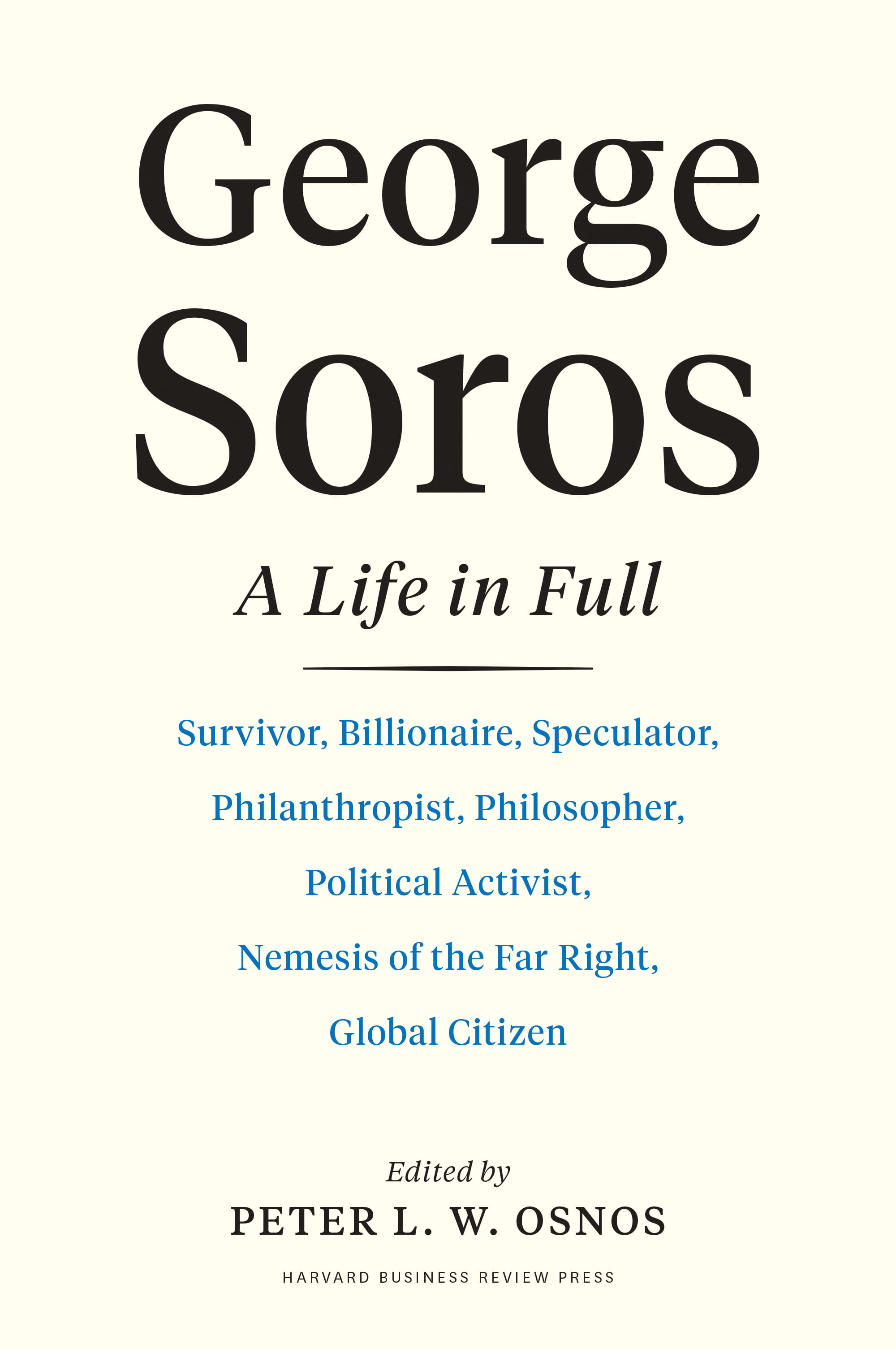
1 - George Soros: A Life in Full - Peter L.W. Osnos (ed.) (5 Stars | 2025-01-28)
Recommended for
- Anyone interested in Soros or high-profile financial biographies.
- Readers curious about how the roles of investor, philanthropist, and public intellectual can coexist in one life.
- Fans of well-crafted, multi-perspective non-fiction.
Notes
- SURVIVOR, BILLIONAIRE, SPECULATOR, PHILANTHROPIST, PHILOSOPHER, POLITICAL ACTIVIST, NEMESIS OF THE FAR RIGHT, GLOBAL CITIZEN.
- The prose here is exceptional. It captures every dimension of Soros—his history, the evolution of his philosophy, and the intimate details of his lifestyle—offering glimpses you won’t find anywhere else. I came away even more fascinated by him. It’s written by five different authors; I think the first section was my favorite.
- His philanthropic network almost functions like a series of private embassies across the globe. The author likens him to an emperor, but of the “enlightened ruler” variety. He also hosts regular gatherings at his estate for brilliant and, more importantly, interesting people to exchange ideas. It’s very Renaissance—the kind of life I genuinely aspire to. It’s not about celebrity decadence; it’s about creating meaningful connections where everyone brings their intellectual A-game.
- Ultimately, he’s an extraordinary man who has lived an incredibly full life. If I could live a life like his, I’d consider it a complete success. I suspect his drive for global influence is partly a way to combat loneliness—immense influence can be a powerful antidote to isolation.
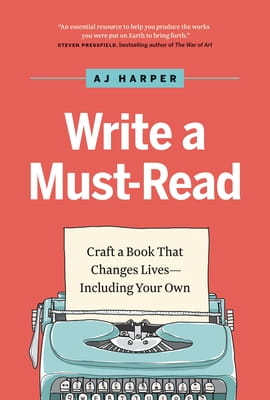
2 - Write a Must-Read - A.J. Harper (5 Stars | 2025-03-10)
Recommended for
- Aspiring non-fiction authors, or anyone writing manuscripts and long-form essays.
- Those wanting to master audience positioning and structural clarity.
- Writers who aren't satisfied with "just finishing," but want to create something truly impactful.
Notes
- This is a unique guide on how to write a great book—the kind people read again and again. It’s packed with practical advice on outlining, pushing through “writer’s block,” and pinpointing your target reader.
- A book like this can’t be a vanity project; it has to be in service of the reader. By caring for the reader from the first page to the last, you create a sense of companionship that keeps them engaged. A truly “must-read” book changes the reader—they are not the same person they were before they started. Producing work of this caliber takes immense effort and likely years of iterative editing.
- Whether for its practicality, its sincerity, or its underlying philosophy, this is a masterpiece. Essential reading for every writer.
3 - The Creative Act: A Way of Being - Rick Rubin (5 Stars | 2025-04-07)
Recommended for
- Artists, writers, musicians, and serious creators.
- Anyone fascinated by intuition, aesthetics, and the "flow state."
- Creators who feel stuck and want to reconnect with the "why" of their work.
Notes
- This was a sublime reading experience. I wanted to highlight every single sentence; each one felt like a profound aphorism. I was completely immersed. This is one of those rare books that explains why artists create from a high-level philosophical perspective. It seems to have a “magical” resonance for serious artists, though non-creators might find it elusive. I found myself slowing down because I didn’t want it to end.
- It’s like spiritual nourishment.
- I think the impact of this book is most profound for top-tier creators. Rubin, a legendary producer who has guided icons, writes in a way that serves as a lighthouse. It’s not just about “making stuff”—it’s about the pursuit of greatness. That is the artist’s raison d’être.
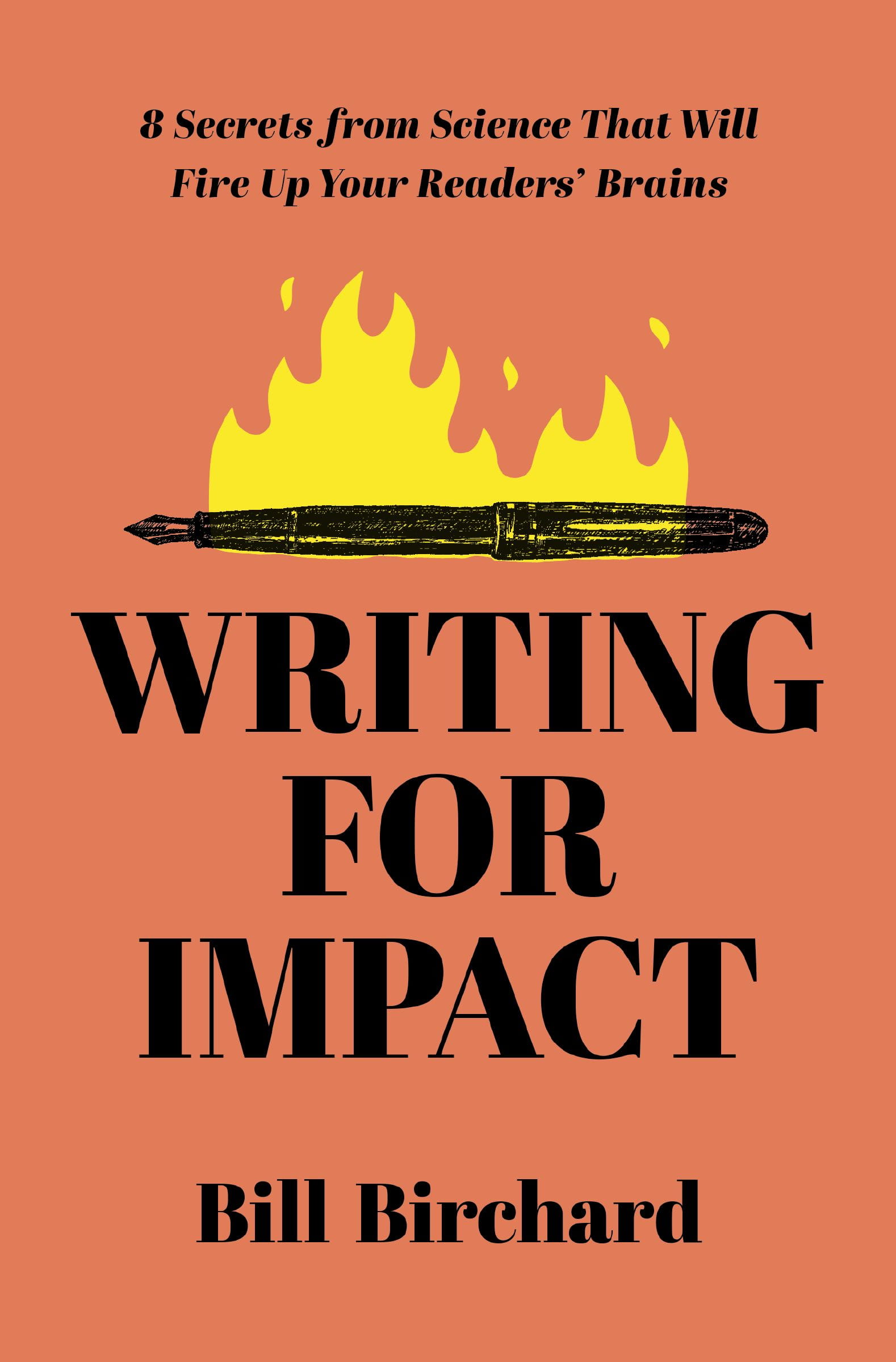
4 - Writing For Impact - Bill Birchard (5 Stars | 2025-07-18)
Recommended for
- Writers looking to boost engagement and "stickiness."
- Anyone interested in the intersection of neuroscience and psychology with writing.
- Bloggers, newsletter creators, and copywriters.
Notes
- Core Premise: Impactful writing isn’t just an art; it’s a science rooted in neuroscience. The key is understanding how the human brain works and “rewarding” the reader to keep them hooked.
- I loved this. It gave me a scientific framework to explain why we gravitate toward certain stories or articles. Once you internalize these principles, you can use them to reverse-engineer your own writing. It’s definitely worth a reread.
- The eight scientific secrets: Simple / Specific / Surprising / Stirring / Seductive / Smart / Social / Story-driven.
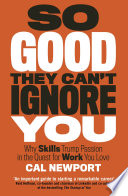
5 - So Good They Can’t Ignore You - Cal Newport (5 Stars | 2025-06-11)
Recommended for
- People rethinking their career path who are skeptical of the "follow your passion" mantra.
- Those looking to build "career capital" and gain more autonomy.
- Readers interested in long-term career optimization.
Notes
- A fantastic read. I expected “self-help fluff,” but found something much deeper. Newport, a professor, debunks the “passion hypothesis,” arguing that passion alone is a shaky foundation for a career. The advice is highly grounded, using examples of high-performers across various fields. Most people don’t have a “calling” early on—great innovations often happen only after you’ve mastered a field. You earn autonomy by accumulating “career capital.”
- He shares stories of people who didn’t find their “true north” until they were deep into their PhDs or professorships. They didn’t start with a clear vision, but by consistently refining their path and putting in the work, they achieved a high level of career satisfaction.
- I liked his personal example: choosing a smaller state school over a more prestigious university because the former offered more autonomy for a new researcher. That control over his work led to much greater fulfillment.
- There’s a lot of meat in this book; it’s worth a deep dive.
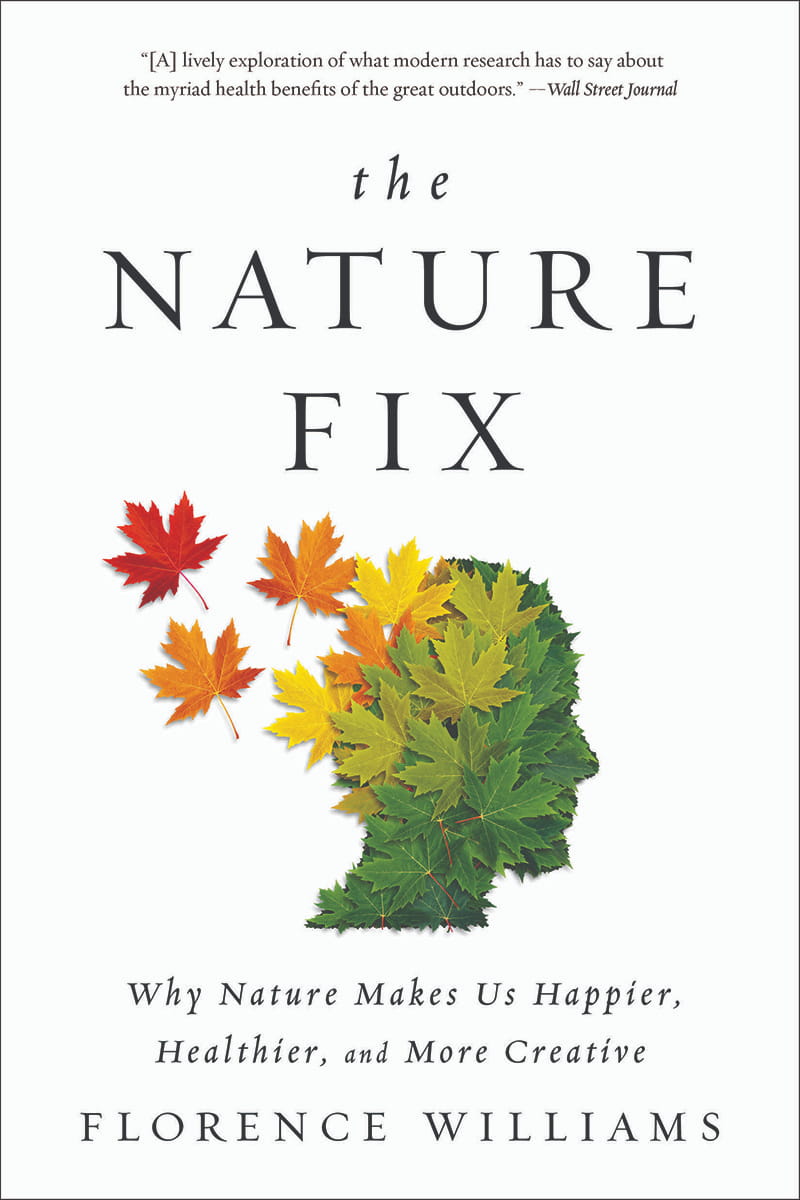
6 - The Nature Fix - Florence Williams (5 Stars | 2025-05-10)
Recommended for
- Anyone curious about how nature impacts mental health and cognitive function.
- City dwellers who spend too much time indoors.
- Fans of non-fiction that blends scientific rigor with beautiful storytelling.

Notes
- I was halfway through this book when I actually felt compelled to head into the forest!
- It’s full of research on how natural environments improve focus, boost cognitive performance, and alleviate depression. Nature is truly powerful.
- I need to write a dedicated post for this one. The writing is captivating—never dry, always engaging. It balances vivid descriptions of the natural world with clear, logical scientific analysis.
- The section on the history of kindergartens was eye-opening—Northern Europe still gets it right with “forest schools” where kids play in the wild rather than being cooped up in classrooms.
7 - The Anxious Generation - Jonathan Haidt (5 Stars | 2025-09-15)
Recommended for
- Those concerned about youth mental health and the impact of social media.
- Parents, educators, and anyone working with Gen Z.
- Readers seeking a systematic look at the modern anxiety epidemic.
Notes
- A vital book. It explores how the “great rewiring” of childhood through social media has made Gen Z more prone to anxiety and depression. The impact is far more profound than just “wasted time.” It deserves a feature article of its own.
- Modern teens spend so much time online that face-to-face interaction has plummeted. We don’t yet know the full cost of this on social skills and human connection, but it’s likely affecting how they form intimate bonds as adults.
- Haidt’s four proposals for reform are compelling: no smartphones before high school; no social media before 16; phone-free schools; and more unsupervised “free play” for kids.
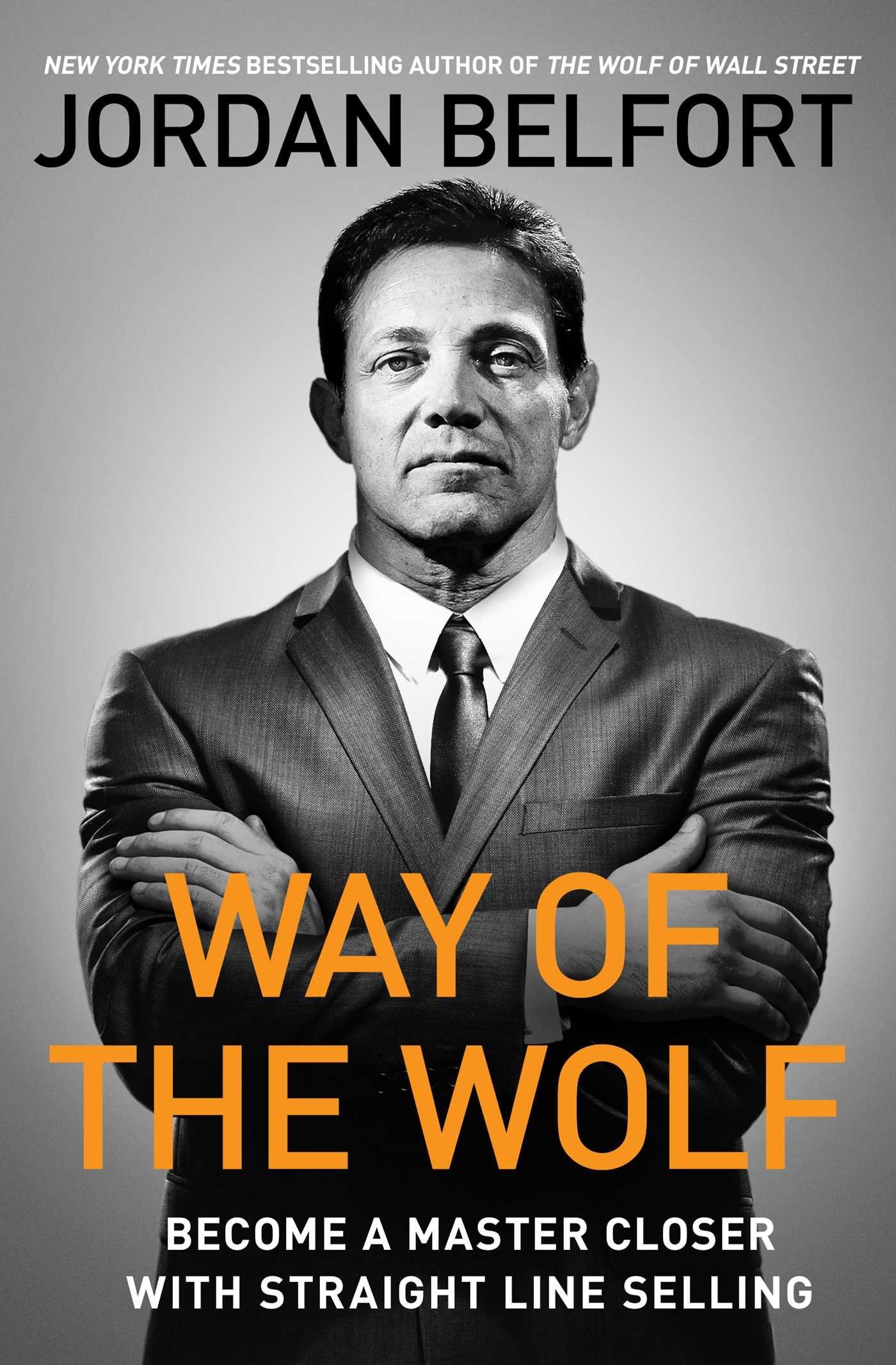
8 - Way of the Wolf - Jordan Belfort (5 Stars | 2025-11-27)
Recommended for
- Anyone looking to sharpen their sales, persuasion, or closing skills.
- Entrepreneurs and creators who need to understand the psychology of a "buy" decision.
- Fans of practical, high-energy methodology.
Notes
- Absolutely gripping. Belfort isn’t just a sales master; he’s an incredibly engaging writer.
- If you liked the movie, you’ll find the book equally fascinating, if not more so.
- The Three 10s: The prospect must have absolute trust (a “10”) in the product, in you, and in your company. If you hit all three, the sale is inevitable.
- He also emphasizes not wasting time on people who aren’t genuine prospects.
- Certainty is everything. In sales, you have to move a prospect toward a state of absolute certainty—that the product solves their pain and is worth every penny.
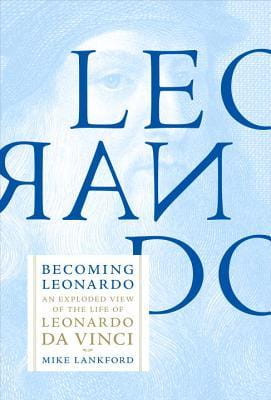
9 - Becoming Leonardo - Mike Lankford (4 Stars | 2025-04-01)
Recommended for
- Fans of Da Vinci and the Renaissance era.
- Readers who enjoy biographies with a more literary, imaginative flair.
- Those looking for an evocative, "moody" look at a historical genius.
Notes
- This feels like a biography written by a fan. It takes historical facts and weaves them into a highly atmospheric narrative. It was a joy to read.
- That said, it should be approached more as a work of “biographical fiction” or literature than a strict historical record, as many of the intimate details are clearly imagined. If you accept it on those terms, it’s a wonderful read.
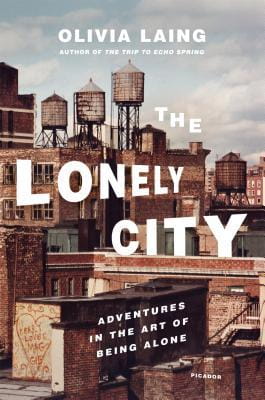
10 - The Lonely City - Olivia Laing (4 Stars | 2025-01-19)
Recommended for
- People interested in the intersection of urban life, art, and the human condition.
- Fans of lyrical, essay-style non-fiction.
- Anyone who has navigated their own periods of isolation.
Notes
- A very unique perspective. Laing explores loneliness by looking at the lives and works of various artists while navigating her own period of isolation in New York. She shows how many great artists used their work to heal and process their own solitude.
- It’s rare to find a book that discusses loneliness so directly and through the lens of art criticism.
- I loved this passage:
“In her essay, Fromm-Reichmann returns repeatedly to this problem of incommunicability… One of her case studies concerns a schizophrenic woman who asked specifically to see her psychiatrist in order to discuss her deep, despairing sense of loneliness. After several vain attempts, she finally burst out: ‘I don’t know why people think hell is a place where there is heat and where fires are burning. That is not hell. Hell is if you are frozen in isolation into a block of ice. That is where I have been.‘“
11 - The Subtle Art of Not Giving a F*ck - Mark Manson (4 Stars | 2025-02-23)
Recommended for
- People looking to audit their values and priorities.
- Readers who want personal growth advice without the "toxic positivity."
- Those who appreciate a blunt, honest approach to life’s problems.
Notes
- This was a solid, sincere read. Since my own outlook is already quite similar to Manson’s, it didn’t feel revolutionary—it felt like reading something I might have written myself. But its massive popularity makes sense; it hits a nerve.
- The core isn’t about apathy; it’s about being selective. It’s a counter-argument to the constant pursuit of “more” and “positive vibes,” which often just leads to more anxiety.
- Pain is inevitable; trying to avoid it is its own kind of suffering. “Not giving a f*ck” doesn’t mean being indifferent; it means being comfortable with being different or misunderstood for the sake of your values. It’s about choosing what is worth your limited emotional energy.
- Even though it didn’t give me much “new” info, I’d recommend it for its clarity and methodology. It’s a great “recalibration” book.
- My favorite part was the final chapter, where he describes sitting on the edge of a cliff to contemplate mortality. His writing there was brilliant and deeply personal—a stark contrast to the more generalized advice earlier in the book.
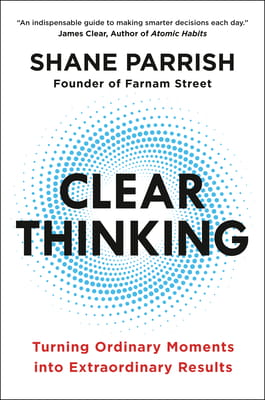
12 - Clear Thinking - Shane Parrish (4 Stars | 2025-01-04)
Recommended for
- Readers wanting to build a toolkit of mental models and decision-making habits.
- Those new to cognitive science who want a high-level framework.
- Anyone looking to recognize and override their own cognitive biases.
Notes
- I started this book with a 5-star feeling—it’s a solid synthesis of mental models. But after reading some critical reviews on Goodreads, I noticed flaws I had initially overlooked and moved it down to a 4.
- The Core Theme: Our lives are shaped not by grand strokes of genius, but by our ability to pause between “stimulus and response” in ordinary moments. Most people spend their lives on “autopilot.”
- Our biggest enemies are our “defaults”—ego, social pressure, and biological instincts. We often prioritize fitting in or protecting our image over getting the right result.
- Parrish suggests building four “strengths” to override these defaults: Accountability (owning your results), Self-Knowledge (knowing your blind spots), Self-Control (managing emotional flares), and Self-Trust (backing your own judgment).
- The Downsides: It feels a bit like “academic-lite” self-help. It’s a collection of great ideas from other thinkers (similar to Naval Ravikant’s style) rather than original research. It lacks deep data or unique case studies, occasionally drifting into “correct-sounding truisms” (正确的废话).
- Interestingly, Parrish writes: “The sheer volume of information we consume in the form of highlights and summaries is an illusion of knowledge.” I’m not sure he realized that this critique applies to his own book. He might not have been “thinking clearly” when he wrote that!
That’s it for my 2025 recommendations.
With World Book Day (April 23rd) just around the corner, I hope you find the time to get lost in a great book. Whether it’s for knowledge, inspiration, or simple companionship, reading is a boundless world.
May you always have a great book within reach.